Lưu trữ danh mục: Bod TV Series
Bod TV Series is one of the most beloved British animated shows ever made, capturing the hearts of children and parents alike since its debut in the 1970s. Created by Joanna and Michael Cole, this gentle series brought a simple yet deeply charming world to life through minimalist animation and warm storytelling. What makes it so enduring? How did a quiet little show about a bald boy in a yellow hat become a cultural landmark? This article explores the origins, characters, legacy, and lasting impact of the series in detail.
Bod TV series: Origins and creative history
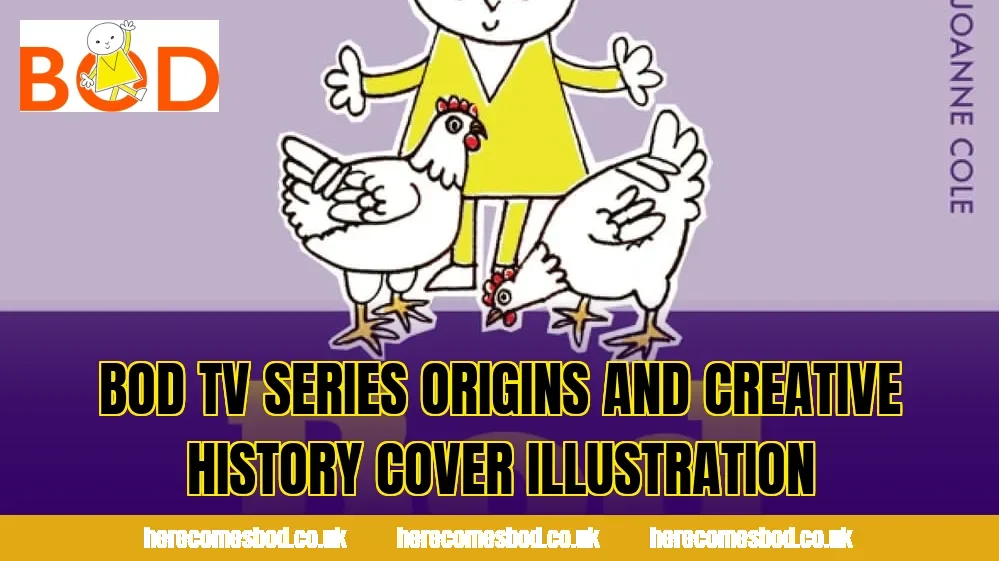
The roots of Bod TV series trace back to a series of illustrated children's books written by Joanna Cole and illustrated by her husband Michael Cole in the early 1970s. The BBC adapted these books into an animated television format, bringing the quiet charm of the original illustrations to a whole new audience. The show first aired in 1975 and quickly became a staple of British children's programming.
The creators behind the beloved show
Joanna and Michael Cole crafted a visual world unlike anything else on British television at the time, relying on clean lines and soft colors rather than complex animation. Their artistic philosophy prioritized emotional warmth over visual spectacle, which gave the Bod TV series a timeless quality that still resonates today. The collaboration between the two was seamless, blending literary simplicity with visual elegance in every episode.
How the BBC brought Bod to life
The BBC production team worked closely with the Coles to ensure the animated version stayed faithful to the books' gentle tone and minimalist aesthetic. Each episode of the Bod TV series was kept short, running only a few minutes, which made it perfectly suited for young viewers with shorter attention spans. The pacing was calm and deliberate, creating a soothing viewing experience that parents appreciated just as much as their children.
Early reception and cultural placement
When the Bod TV series first aired, it was paired with another short animated segment called "Alberto Frog and His Amazing Animal Band," which became equally memorable to British audiences. The combination proved enormously popular, and the show developed a loyal following almost immediately after its debut. Critics praised its originality, and it quickly earned a place in the cultural memory of an entire generation of British children.
Bod TV series: Characters and storytelling style
At the heart of the Bod TV series is a cast of simple but deeply lovable characters, each with their own distinct personality and role in Bod's quiet world. The storytelling approach was never rushed or overcomplicated, allowing young viewers to absorb each moment at their own pace. This unhurried narrative style became one of the show's most defining and celebrated qualities.
Bod and his circle of friends
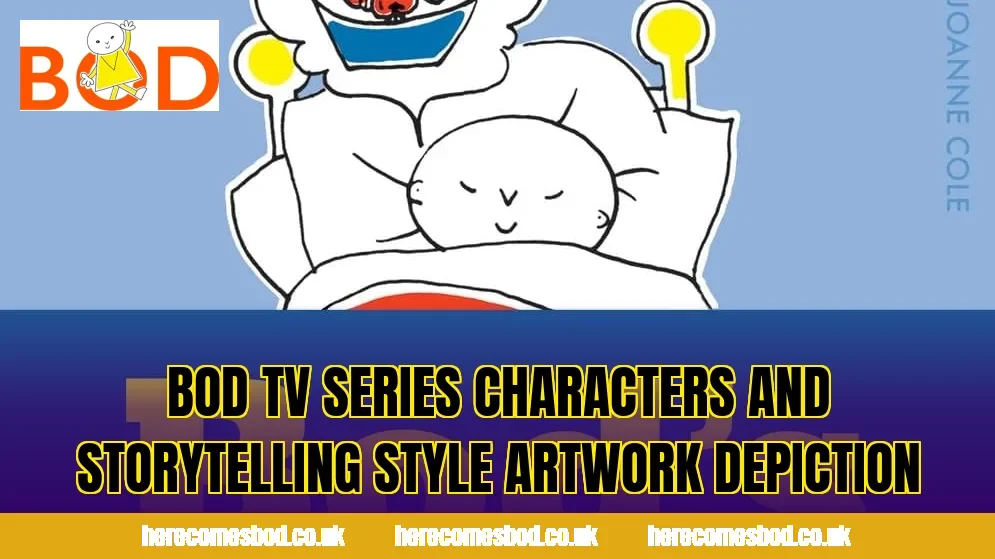
Bod himself is a small, bald boy who navigates everyday life with curiosity and gentleness, serving as the emotional anchor of the Bod TV series. His friends include Aunt Flo, PC Copper, Frank the Postman, and Alberto Frog, each representing a different slice of community life. Together, they form a warm social world that teaches children about kindness, cooperation, and the simple joys of daily existence.
Minimalist animation as a storytelling tool
The animation style of the Bod TV series was intentionally sparse, with flat colors and simple shapes that gave the show a distinctive handcrafted feel. Rather than being a limitation, this minimalism became a strength, allowing children's imaginations to fill in the gaps and engage more deeply with the story. The visual simplicity also made the emotional beats land more powerfully, since nothing distracted from the characters and their interactions.
Themes of kindness and everyday wonder
Every episode of the Bod TV series carried a quiet moral message, often centered on empathy, patience, or finding beauty in ordinary moments. The show never lectured or moralized in an obvious way, instead letting its themes emerge naturally through action and dialogue. This subtle approach to values-based storytelling made it far more effective than many louder, more didactic children's programs of the same era.
Legacy and cultural impact across generations
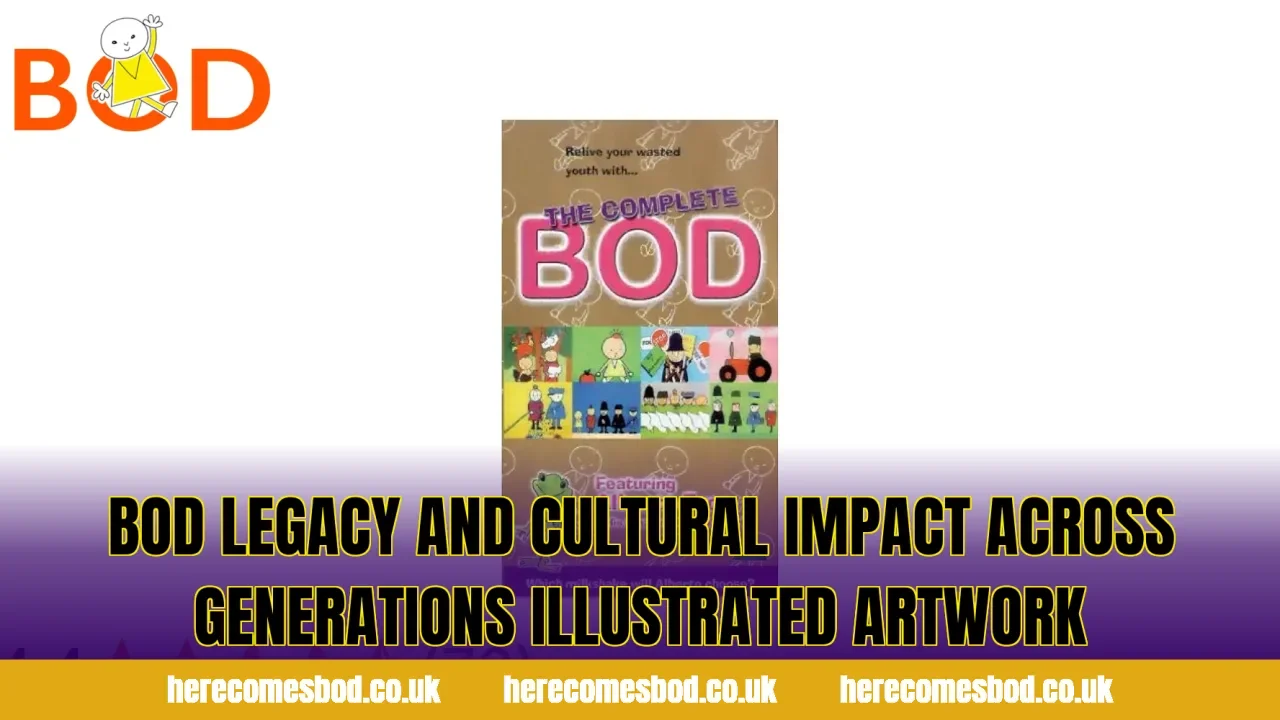
Few British animated series have managed to maintain the kind of cultural warmth that the Bod TV series continues to inspire decades after its original broadcast. The show has been re-aired multiple times, introduced to new generations through home video releases, and celebrated in retrospectives about golden-age British children's television. Its influence can be seen in later minimalist animation projects that drew inspiration from its aesthetic philosophy.
Why adults still remember it fondly
For many adults who grew up in Britain during the 1970s and 1980s, the Bod TV series carries a powerful sense of nostalgia tied to the comfort and safety of childhood. The show's calm pace, soft visuals, and gentle humor evoke a simpler time in both television production and everyday life. It remains a touchstone for discussions about what made British children's programming so uniquely thoughtful during that era.
Re-releases and digital preservation efforts
In recent years, the Bod TV series has benefited from digital restoration efforts that have made the original episodes more accessible to modern audiences. These releases have introduced the show to younger viewers who might otherwise never have encountered it, extending its reach across generational lines. The care taken in preserving the original audio and visual quality reflects just how seriously fans and archivists take its cultural significance.
Influence on modern children's animation
The Bod TV series demonstrated that children's animation does not need to be loud, fast, or visually overwhelming to be effective and beloved. Many contemporary animators have cited its restraint and emotional intelligence as an influence on their own work, proving that its impact extended well beyond its original audience. The show stands as a quiet but powerful argument for simplicity as a creative virtue in children's media.
| Feature | Details |
|---|---|
| Original air date | 1975, BBC |
| Created by | Joanna and Michael Cole |
| Episode length | Approximately 5 minutes per episode |
| Animation style | Minimalist, flat color, hand-drawn |
| Main characters | Bod, Aunt Flo, PC Copper, Frank, Alberto Frog |
| Paired segment | Alberto Frog and His Amazing Animal Band |
| Target audience | Young children, preschool age |
| Cultural status | Iconic British children's television |
Kết luận
Bod TV series remains a shining example of how restraint, warmth, and creative honesty can produce something truly timeless in children's media. Its legacy stretches across decades, touching the lives of multiple generations and continuing to find new admirers through digital re-releases and cultural retrospectives. If you want to explore the full world of this iconic show, visit Bod for everything you need to know.
Xem thêm: Bod and the Cherry Tree – Exploring the Classic Plot
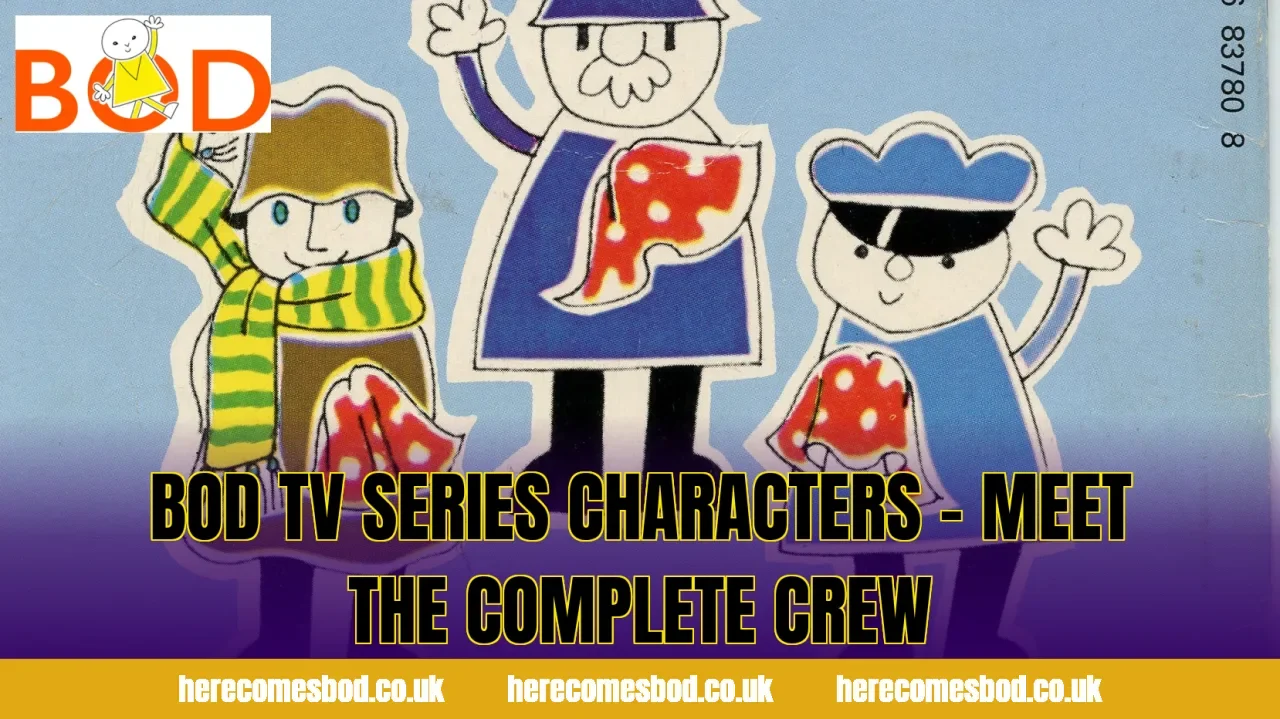
Bod TV Series Characters – Meet the Complete Crew
Bod TV Series Characters have captured the hearts of generations since the show first aired [...]
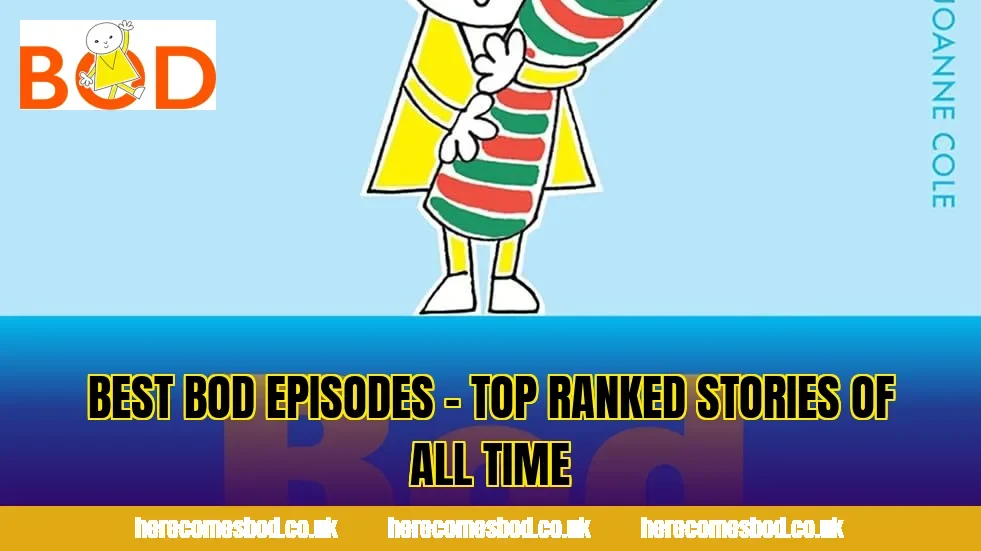
Best Bod Episodes – Top Ranked Stories of All Time
Best Bod episodes have captured the hearts of generations since the show first aired on [...]
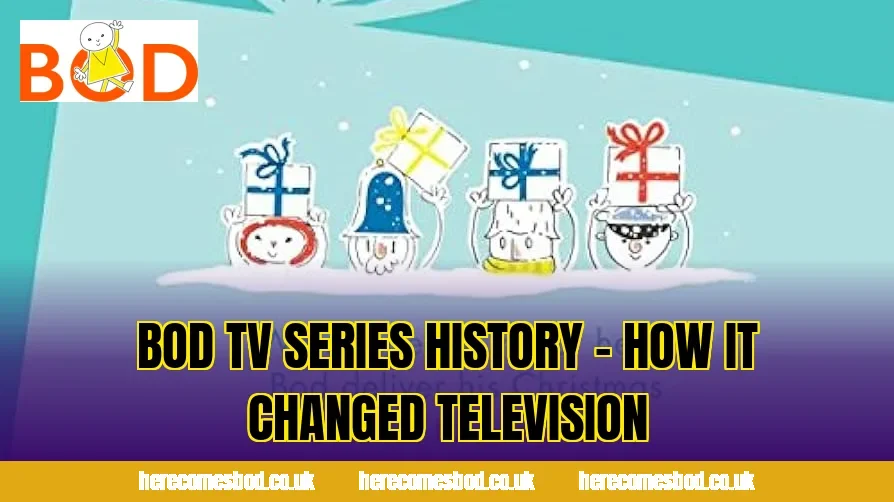
Bod TV Series History – How It Changed Television
Bod TV Series History is one of the most fascinating chapters in British children’s television, [...]