
Bod – Discover The Magic Of This Classic Icon
Bod is one of the most beloved animated characters in British children’s television history, first appearing in the early 1970s and capturing the hearts of generations of young viewers. This charming little figure, dressed in a simple yellow robe, became a cultural icon through his quiet, gentle adventures set in a warm and colourful world. What makes Bod so enduring is the simplicity of his storytelling, the soft narration, and the timeless life lessons woven naturally into each episode. This article explores everything you need to know about Bod — from his origins and characters to themes, legacy, and why he still resonates today.
Bod: The origin of a timeless character
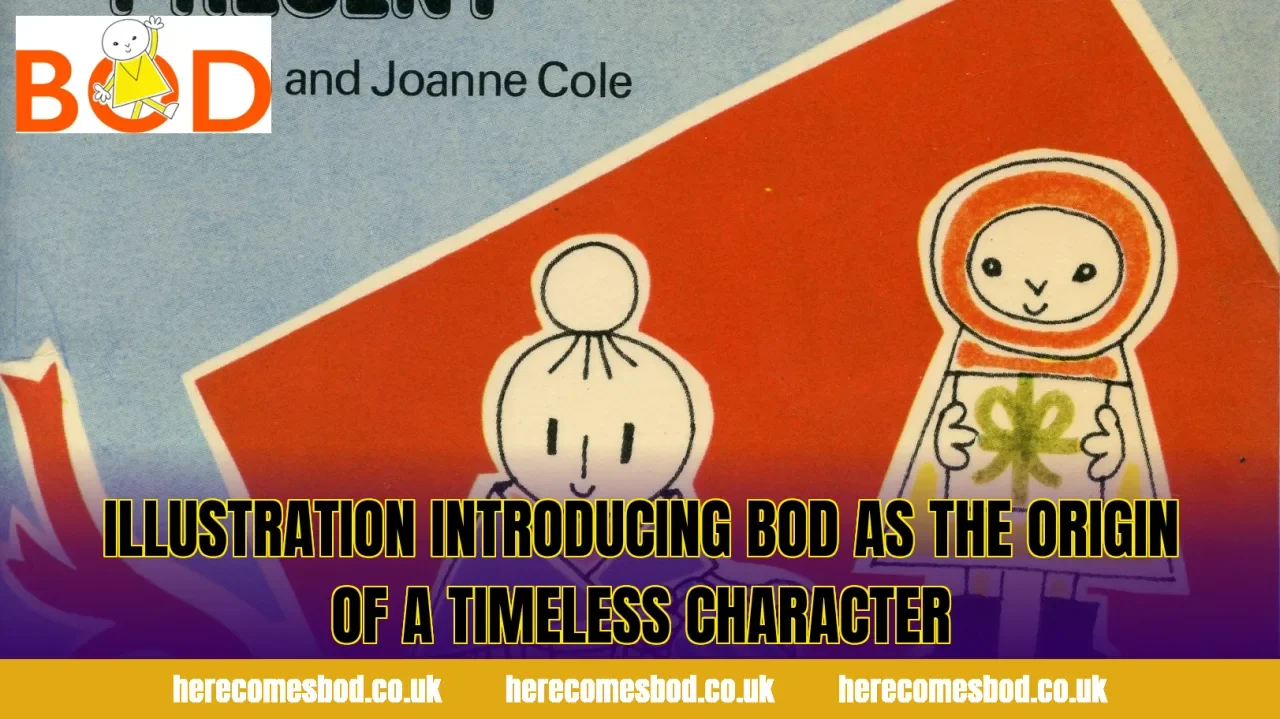
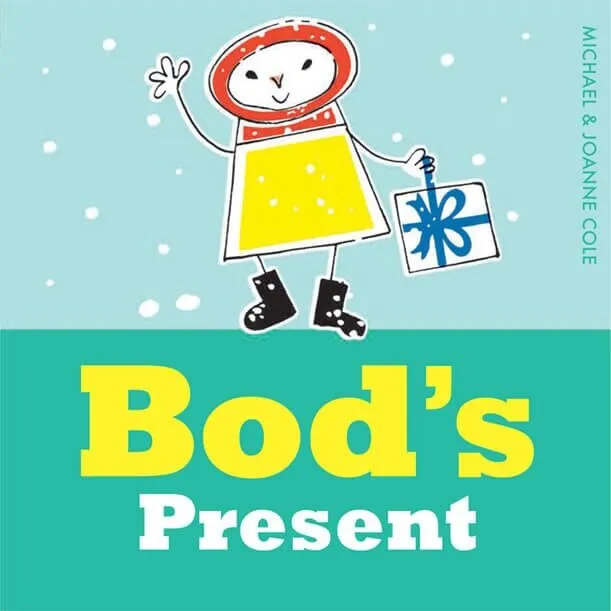
Bod was originally created by Joanna Cole and Michael Cole, who first introduced the character through a series of illustrated children’s books published in the late 1960s. The books were gentle in tone, featuring minimal text and expressive illustrations that spoke directly to young readers. Bod quickly gained a loyal following, setting the stage for what would become one of Britain’s most recognisable animated series.
The BBC television adaptation aired from 1975 and was narrated by John Le Mesurier, whose calm and distinctive voice became inseparable from the series. Each short episode followed Bod through simple, everyday situations — visiting friends, helping neighbours, or exploring the world around him. The animation style was deliberately minimalist, using flat colours and clean lines that gave the show a unique visual identity unlike anything else on screen at the time.
Bod’s world: Characters and their roles
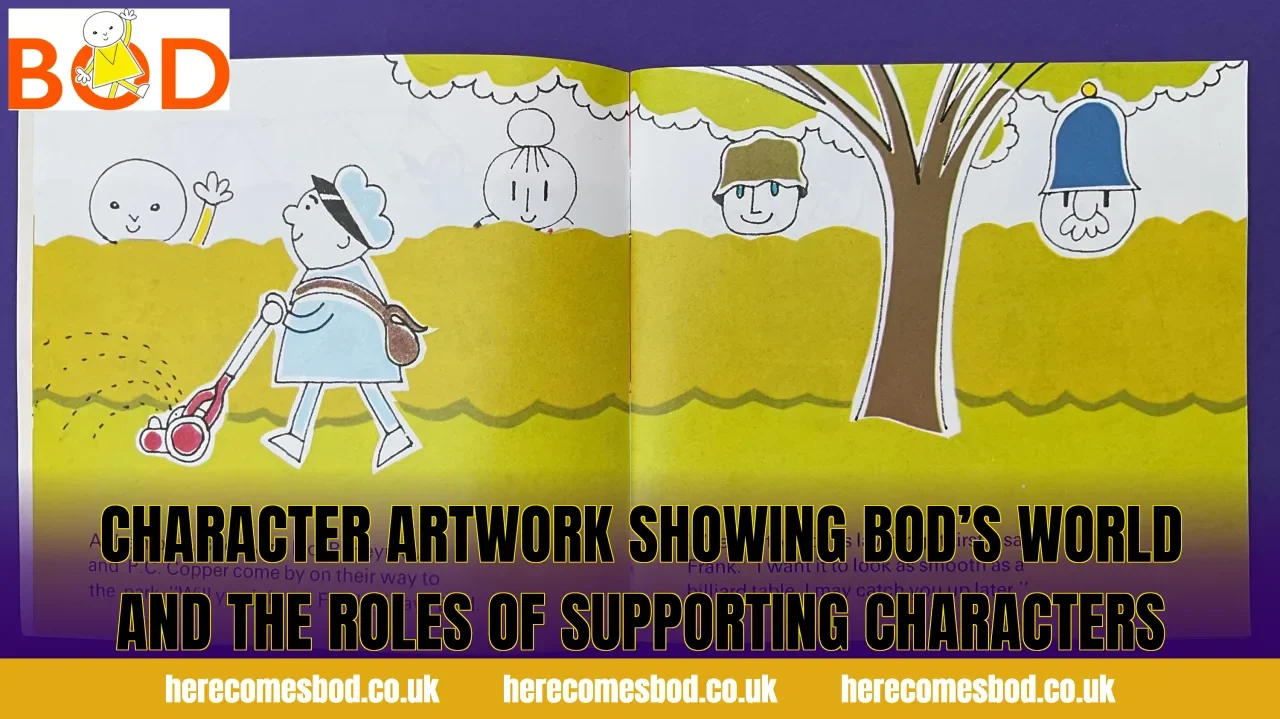
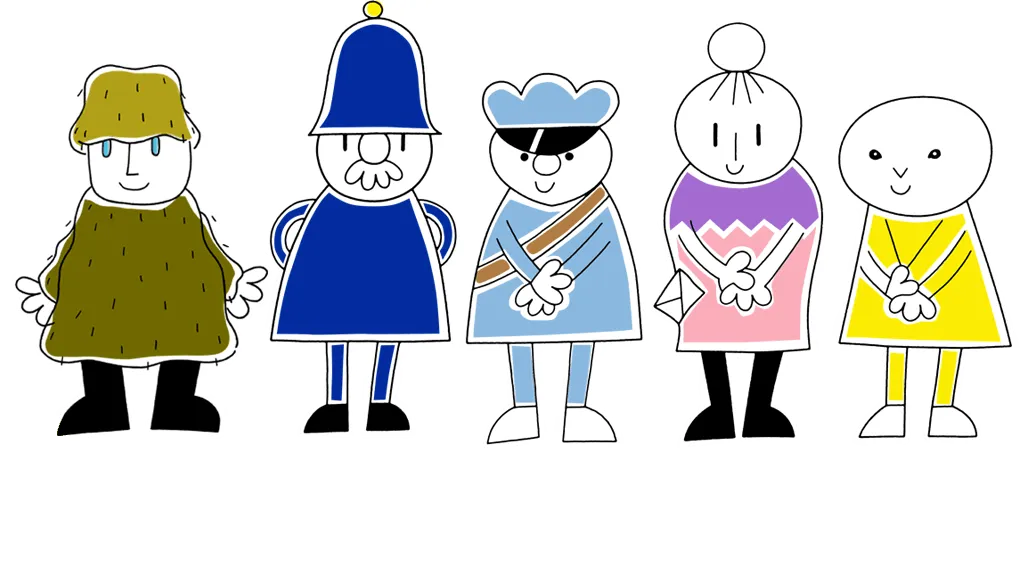
The universe surrounding Bod is small but wonderfully crafted, filled with characters who each bring their own personality to the story. His family includes Aunt Flo, Frank, and Doris, all of whom interact with him in gentle, nurturing ways that reinforce a sense of safety and belonging. Every character in Bod‘s world serves a purpose, teaching young viewers about kindness, patience, and community through action rather than lecture.
One of the most memorable recurring characters is PC Copper, the friendly local policeman who appears throughout the series with a calm authority and warmth. Then there is Alberto Frog, a cheerful character who often shows up at the end of each episode to request a milkshake from Frank’s café. The world of Bod feels lived-in and real despite its simplicity, and that authenticity is what continues to draw both nostalgic adults and curious children back to the series.
Bod’s storytelling style sets it apart
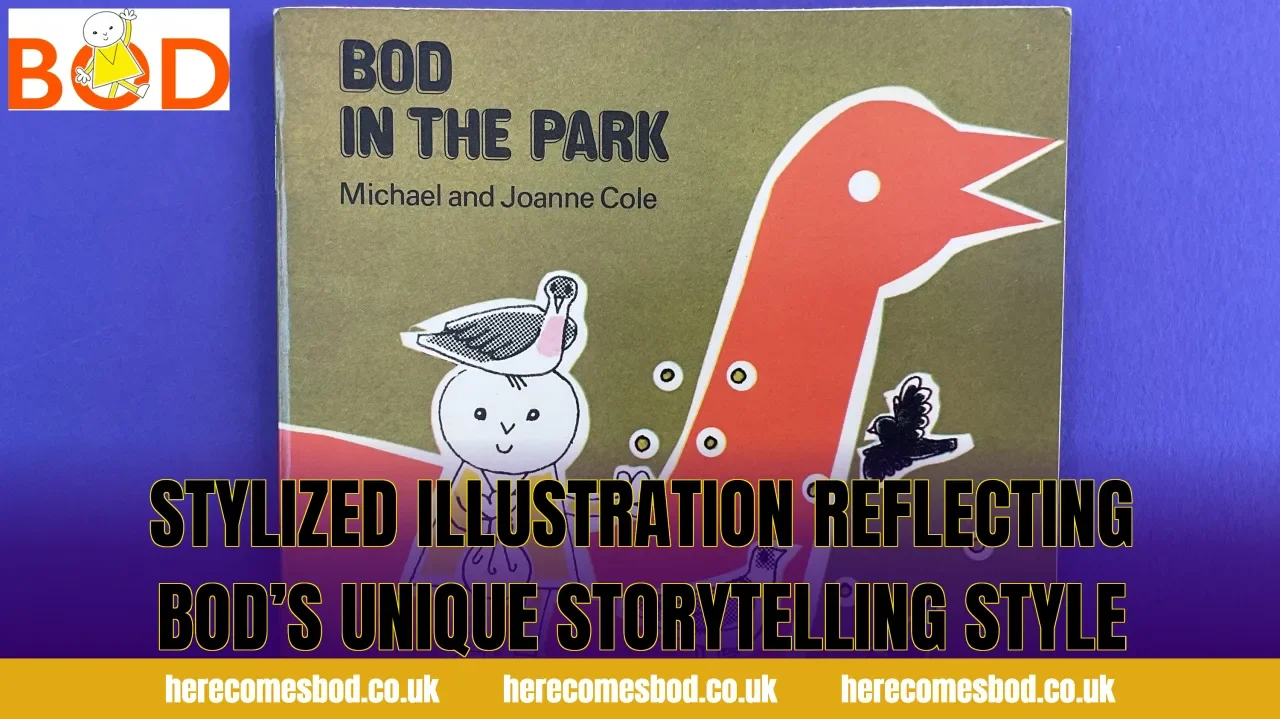
The narrative approach used throughout the series is one of the key reasons Bod has remained relevant for over five decades. Unlike modern children’s programming that relies on fast pacing and loud sound effects, this show took a quieter, more reflective approach that encouraged children to slow down and observe. The stories never felt rushed, and that deliberate pacing made each episode feel like a small, complete world.
Bod and the power of minimalist animation
Bod‘s animation technique was ahead of its time in its willingness to strip away complexity and focus purely on expression and movement. The simple line-drawn figures communicated emotion effectively without needing elaborate facial detail or dramatic gestures. This restraint made the series accessible to very young children while also giving it a visual elegance that adults could appreciate.
How narration shapes the viewing experience
The narration by John Le Mesurier gave each episode a bedtime-story quality that was both soothing and engaging for young audiences. His unhurried delivery matched the rhythm of the visuals perfectly, creating a unified sensory experience that felt calm and safe. The voice became so associated with the series that it is nearly impossible to think of Bod without hearing that distinctive, measured tone in your mind.
Themes of kindness woven into every plot
Each episode of Bod carries a quiet moral message, not delivered through dialogue but shown through the natural unfolding of events. Whether it involves sharing, helping a neighbour, or simply being present for someone, the show consistently modelled positive social behaviour. These themes were never heavy-handed, which is precisely why they landed so effectively with young viewers who absorbed the lessons without feeling taught at.
Bod’s cultural legacy across generations

Few children’s characters have managed to maintain cultural relevance across as many decades as Bod has, and that staying power speaks to the universal quality of the stories. Adults who grew up watching the series in the 1970s and 1980s now introduce it to their own children, creating a multigenerational connection that few animated properties achieve. Bod has become a symbol of a gentler era of children’s television, one defined by patience, warmth, and imagination.
The series has been re-broadcast multiple times and remains available through various platforms, ensuring that new audiences continue to discover it. Merchandise, books, and cultural references keep the character alive in popular consciousness long after the original episodes were produced. The enduring appeal of Bod is a testament to the power of simplicity done with genuine care and craft.
Key episodes that define Bod’s charm
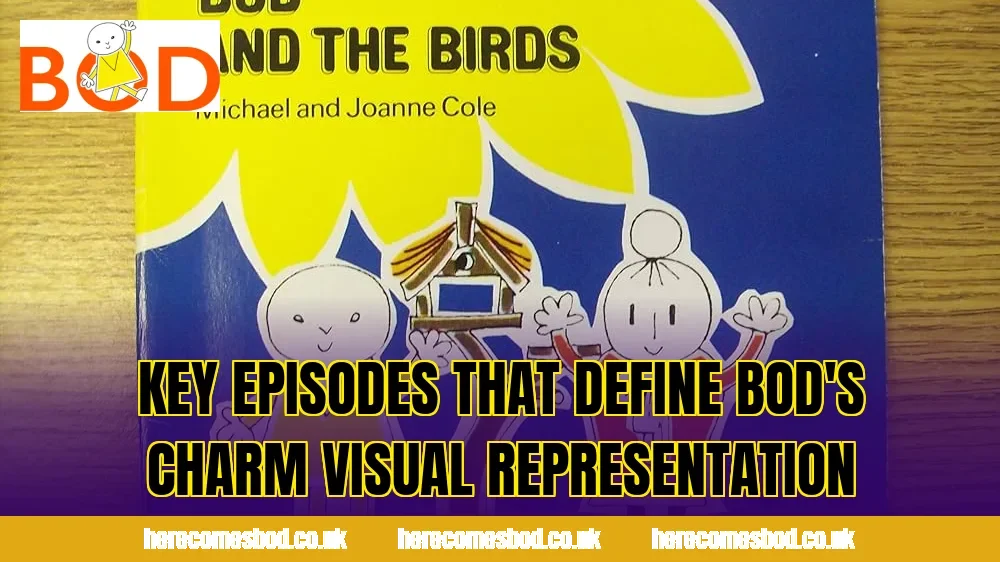
Looking at the individual episodes reveals just how carefully each story was constructed to deliver maximum emotional impact within a very short runtime. The show’s format of brief, self-contained episodes made it ideal for young children with limited attention spans, while still offering enough depth to reward repeated viewing. Here is a closer look at some of the most defining episodes that showcase what Bod does best.
Bod and the apple: A lesson in patience
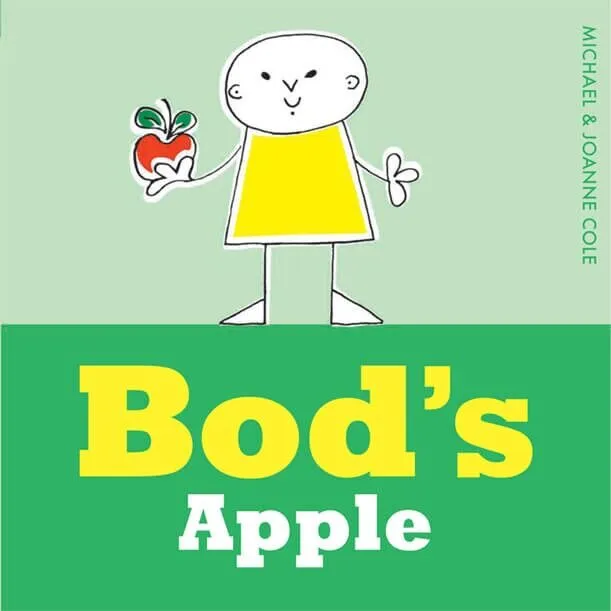
This episode follows Bod as he waits for an apple to fall from a tree, demonstrating the value of patience in a way that feels completely natural and unforced. The quiet observation, the passing of time, and the eventual reward all come together in a story that is simple yet deeply satisfying. It captures the essence of what makes the series so special — the ability to find meaning in ordinary moments.
Bod and the policeman: Community and trust
PC Copper’s interactions with Bod throughout the series consistently reinforce the idea that authority figures can be kind, approachable, and genuinely helpful. This particular episode explores a small misunderstanding that is resolved through honest communication and mutual respect between the characters. It is a gentle but powerful message about how communities function best when built on trust and goodwill.
Bod and Aunt Flo: Family warmth explored
Aunt Flo is one of the most comforting presences in Bod‘s world, and episodes featuring her tend to focus on the quiet joys of family life and togetherness. Her interactions with Bod are always tender, filled with small gestures that communicate deep affection without melodrama. These moments remind viewers that the most meaningful relationships are often the ones built on consistency, presence, and simple acts of care.
Why Bod still matters in modern media

In an era of overstimulating content and algorithmically designed children’s entertainment, the quiet world of Bod offers something increasingly rare — genuine stillness. Parents and educators who revisit the series often comment on how effectively it calms children and encourages focused, attentive watching. Bod proves that good storytelling does not require spectacle, only honesty and heart.
Bod as a model for mindful children’s content
Bod represents a philosophy of children’s media that prioritises emotional safety over entertainment value, trusting young viewers to engage with quiet, thoughtful stories. The series never talks down to its audience, instead treating children as capable of understanding nuance and sitting with slow-moving narratives. This respectful approach is something modern content creators could learn a great deal from.
Educational value hidden in simple stories
Educators have long recognised the value of Bod as a tool for teaching social and emotional skills in early childhood settings. The episodes model conflict resolution, empathy, and cooperation in ways that are age-appropriate and entirely free of anxiety-inducing content. Children watching the series absorb these lessons naturally, without the pressure of being explicitly instructed on how to behave.
The revival interest and digital availability
In recent years, there has been a growing revival of interest in classic British animation, and Bod has benefited significantly from this renewed appreciation. Digital platforms have made the series more accessible than ever, introducing it to international audiences who had no previous exposure to the character. This expanded reach has introduced a whole new generation to the quiet magic that made Bod a household name in the first place.
Bod’s visual design: Simple but unforgettable

The visual language of the series is one of its most distinctive qualities, built around a palette of warm, flat colours and a character design that is instantly recognisable. Bod‘s yellow robe, round head, and calm expression have become iconic in British visual culture, referenced in art, design, and popular media for decades. The simplicity of the design was a deliberate artistic choice that has proven remarkably durable over time.
Colour theory and emotional tone in design
The warm tones used throughout the visual world of Bod were carefully chosen to create a sense of comfort and familiarity that reinforces the emotional tone of each episode. Soft yellows, gentle blues, and muted greens dominate the backgrounds, creating an environment that feels safe and welcoming to young viewers. This intentional use of colour is a masterclass in how visual design can support storytelling without overshadowing it.
Character silhouettes that communicate instantly
Each character in the series was designed with a distinct silhouette that makes them immediately recognisable even at a glance, a principle of good character design that many modern productions overlook. Bod‘s round, robed figure stands apart from every other character in the series, reinforcing his central role without any need for verbal explanation. This visual clarity is part of what makes the show so accessible to the youngest viewers.
How background art supports the narrative
The backgrounds in Bod are sparse by design, featuring just enough detail to establish setting without overwhelming the characters or distracting from the story. This minimalist approach to environment design keeps the viewer’s attention focused on the emotional content of each scene, which is where the real storytelling happens. The restraint shown in the background art is as deliberate and skilled as any more elaborate production design.
Frequently asked questions about Bod

Many viewers, both new and returning, have questions about the history, production, and legacy of this beloved series. The following answers address some of the most commonly asked questions to help readers better understand the world of Bod and what makes it so enduring.
Who created Bod and when did it first appear?
Bod was created by Joanna Cole and Michael Cole, first appearing in illustrated children’s books in the late 1960s before being adapted for BBC television in 1975. The television series was produced by the BBC and featured narration by John Le Mesurier, whose voice became iconic to the character. The original book series and television episodes together established Bod as one of the most recognisable figures in British children’s media.
Why is Bod considered a classic children’s programme?
Bod is considered a classic because of its timeless themes, minimalist aesthetic, and the genuine warmth that runs through every episode. Unlike many children’s programmes that date quickly due to cultural references or visual trends, this series has a quality of simplicity that transcends era and remains relevant to new generations. Its reputation as a classic has only grown stronger over the decades, supported by nostalgic adults and new young fans alike.
Is Bod available to watch today?
Yes, Bod is available through various digital platforms and has been re-released in several formats over the years to meet ongoing demand. The series has been made available in DVD collections and through streaming services, making it easier than ever for parents to share the experience with their children. Its continued availability is a reflection of the lasting affection that audiences hold for the character and the world he inhabits.
Kết luận
Bod remains one of the most quietly powerful figures in the history of children’s animation, a character whose simplicity is his greatest strength and whose stories continue to offer something genuinely valuable to every generation that encounters them. From his origins in illustrated books to his iconic BBC television run, Bod has proven that great storytelling needs no spectacle — only sincerity, warmth, and a clear understanding of what children truly need from the stories they are told.
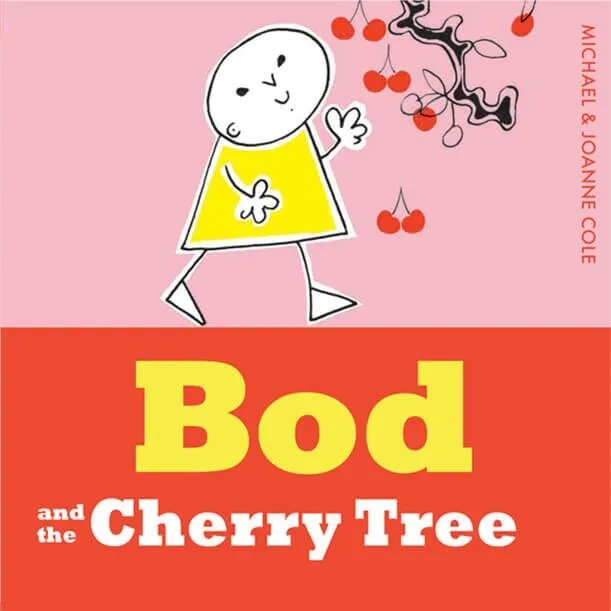
Xem thêm: Bod and the Cherry Tree – Exploring the Classic Plot
Lorem ipsum dolor sit amet, consectetuer adipiscing elit, sed diam nonummy nibh euismod tincidunt ut laoreet dolore magna aliquam erat volutpat.