Bod books Joanne Cole introduced a gentle, thoughtful world that still feels fresh to today’s young readers. Created for British children’s television and then adapted into picture books, Bod’s stories combine simple plots with surprising emotional depth. On Bod , we revisit how these titles were written, illustrated, and published, and why they remain a quiet classic in modern children’s literature.
The origins of Bod books Joanne Cole and the TV character
Before becoming beloved picture books, Bod began as a minimalist animated character on 1970s British television. Understanding this origin helps explain the pacing, structure, and visual style of the printed stories. This section explores how the show’s concept evolved into the series now known collectively as Bod books Joanne Cole, and how that transition shaped the reading experience.
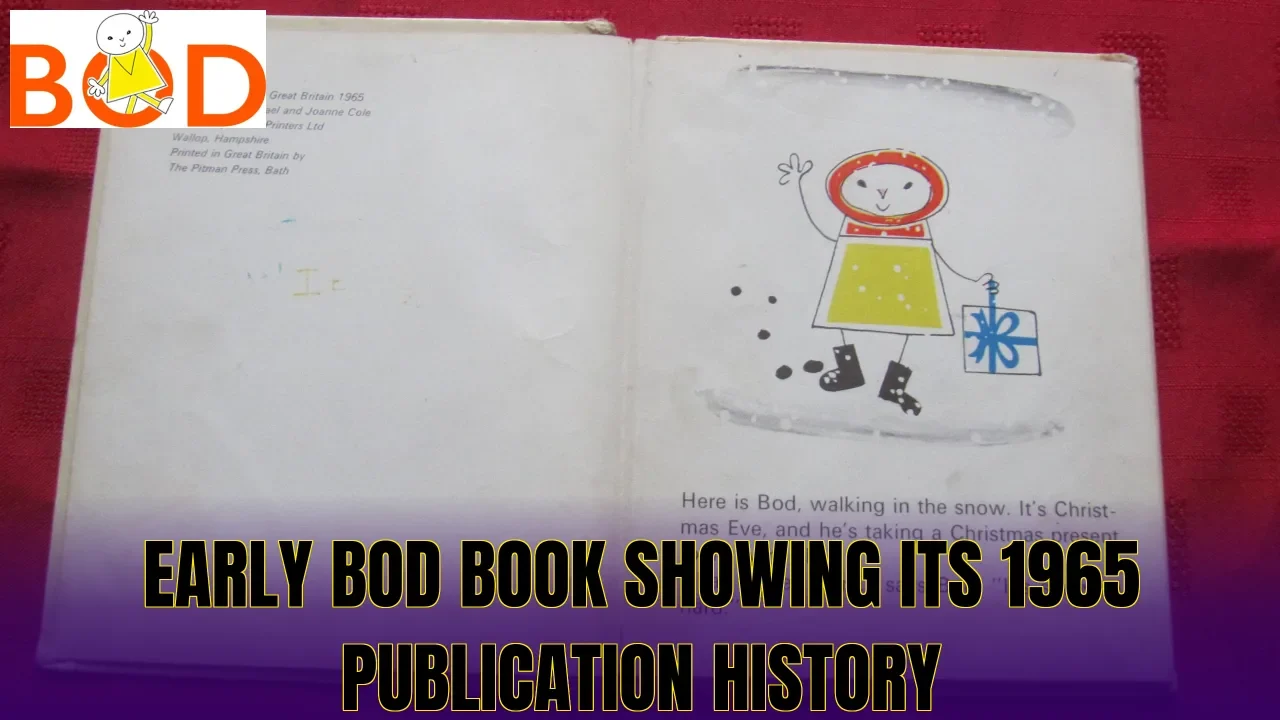
From TV scripts to picture-book storytelling
The early episodes were built around short, self-contained stories designed for preschool attention spans. When adapting these scripts into Bod books Joanne Cole, Joanne Cole refined the dialogue and narration so children could follow the plot without sound or movement. Each book uses clear scene changes, repetitive phrasing, and careful page turns to mirror the rhythm of a TV episode while still feeling like a complete literary work.
Joanne Cole’s collaboration with Michael Cole
Joanne Cole worked closely with Michael Cole, who handled much of the scripting and story structure. Their partnership ensured that every title in the cycle of Bod books Joanne Cole kept a consistent tone, moral framework, and sense of gentle humour. Michael shaped the narrative arcs, while Joanne balanced text and illustration, making sure that each spread gave children just enough information to predict what might happen next.
Why the transition to print still matters today
The move from screen to page allowed the creators to slow down Bod’s world and invite more reflection. In Bod books Joanne Cole, children can pause on a page, notice tiny visual clues, and discuss Bod’s choices with adults. This slower format supports early literacy, turn-taking in shared reading, and the development of empathy, which is why educators still recommend the series in reading corners and school libraries.
Illustration style in Bod books Joanne Cole and visual learning
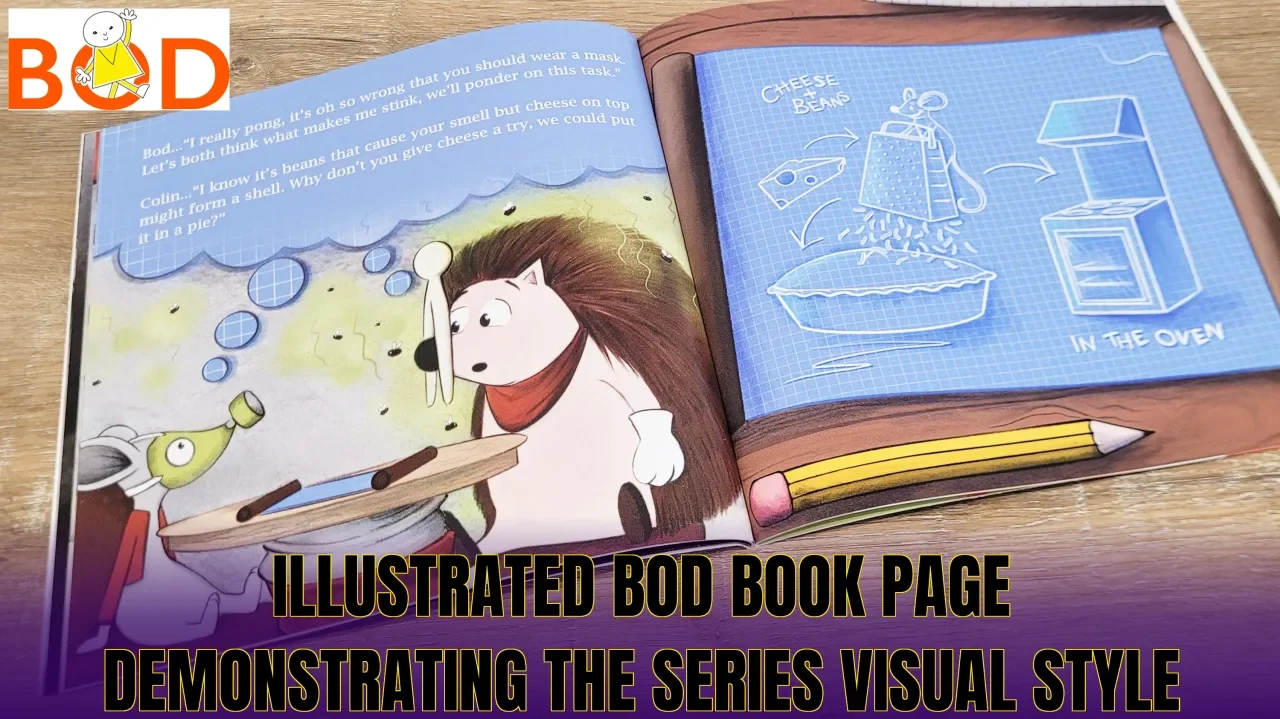
The artwork is one of the strongest reasons these stories remain memorable. Bold outlines, flat colours, and clean white space give Bod’s world an instantly recognisable identity. To understand why Bod books Joanne Cole works so well with very young readers, we need to look at how the illustrations support visual literacy and early cognitive development.
Minimalist drawings with maximum clarity
Joanne Cole’s illustration style uses simple shapes and limited detail so children can focus on the key action in each scene. In many Bod books Joanne Cole, backgrounds are almost empty, which prevents distraction and guides the eye to Bod and his friends. This clarity helps pre-readers “read” the pictures, predict events, and retell the story in their own words.
Colour, contrast, and emotional cues
The colour palette in these titles is deliberately restricted, with strong contrasts that make characters stand out. Across Bod books Joanne Cole, small changes in posture, facial expression, or colour placement signal shifts in mood and tension. Children quickly learn to associate these visual cues with feelings such as curiosity, surprise, or contentment, building an early link between images and emotional states.
How Bod supports early visual literacy
Educators note that the clear sequencing of images in Bod books Joanne Cole encourages children to describe what they see, then connect it to the text. This back-and-forth between pictures and words strengthens comprehension skills. Parents using the resources on Bod often report that children begin to “read” the story from the artwork alone, even before they recognise printed words.
Key Bod books Joanne Cole titles and publishing timeline
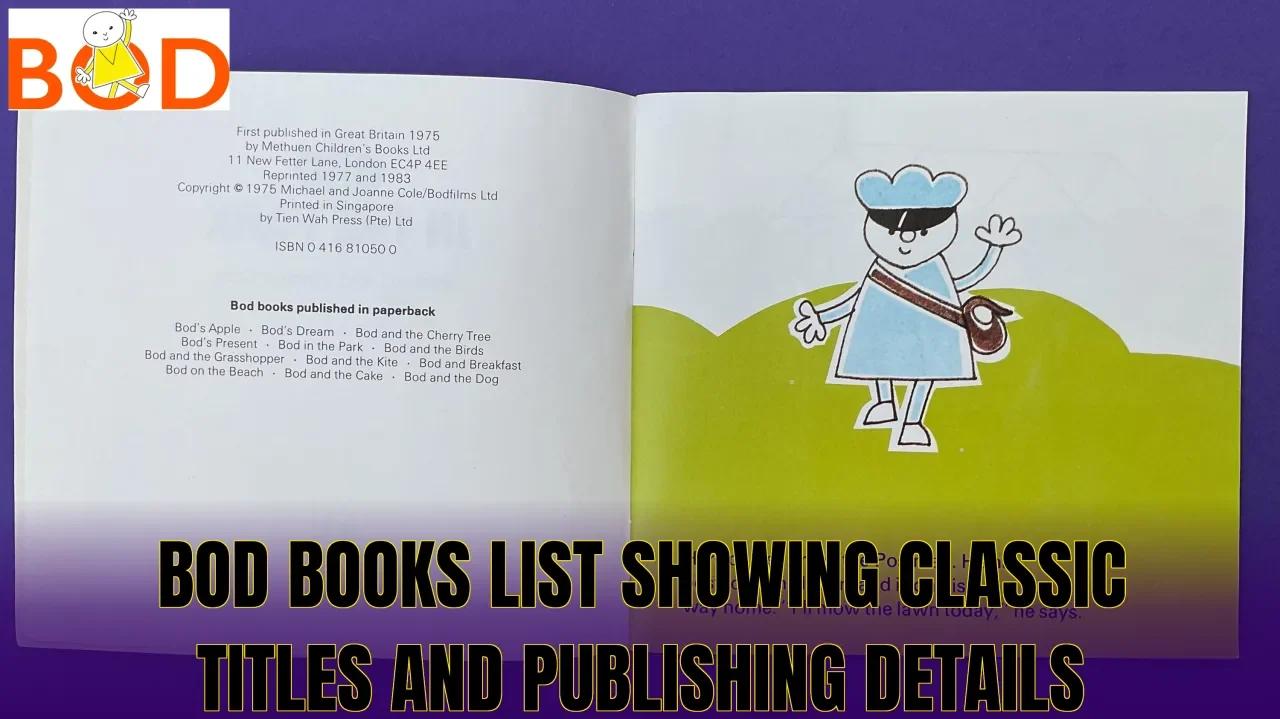
Over time, several core titles emerged as favourites among families and collectors. While print runs were relatively modest compared with some mass-market brands, demand has remained steady on the second-hand market. The table below summarises a selection of influential Bod books Joanne Cole and their original publication details.
| Title | Approx. first publication | Main theme | Ideal age range |
|---|---|---|---|
| Bod and the Apple | Mid-1970s | Curiosity and problem-solving | 3–6 years |
| Bod and the Dog | Mid-1970s | Friendship and responsibility | 3–7 years |
| Bod and the Cake | Mid-1970s | Sharing and celebration | 3–6 years |
| Bod and the Birds | Late 1970s | Observation and nature | 4–7 years |
Collectability and condition for modern readers
Because many Bod books Joanne Cole are now out of print, condition has become important for collectors and libraries. Families looking for reading copies can still find affordable editions, while first printings in very good condition attract higher prices. On Bod , guides often recommend checking for intact spines, unfaded covers, and clean pages before buying used copies.
How to choose the right Bod story by age
Parents usually start with the simplest plots, then move toward titles with slightly more complex sequences. Within the wider group of Bod books Joanne Cole, stories involving everyday activities tend to suit younger children, while those with more characters help older readers follow multiple threads. This gradual progression supports confidence and keeps children engaged as their skills grow.
Digital discovery and modern access
Although the original format was strictly print, many families first discover Bod books Joanne Cole today through online clips, scans, or fan communities. Curated resources on Bod help new readers understand the publication history and locate legitimate editions. This blend of nostalgia and discovery keeps Bod relevant for both adults who remember the show and children meeting the character for the first time.
Educational value of Bod books Joanne Cole in today’s classrooms
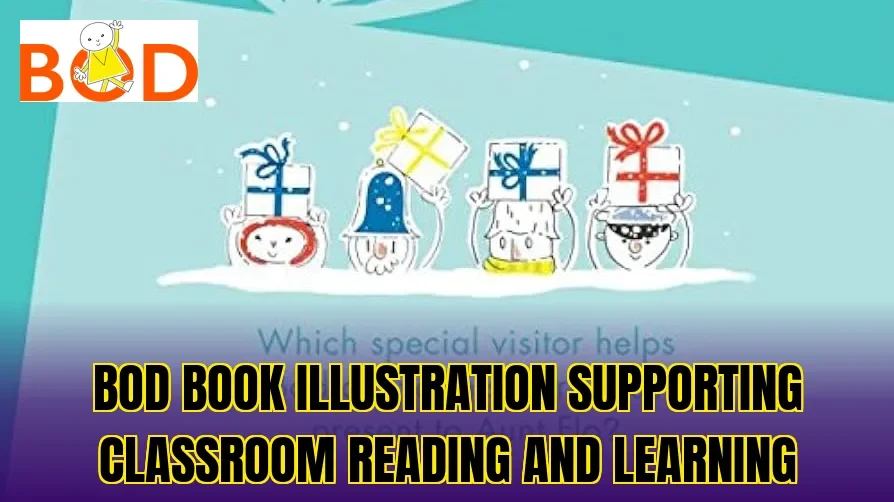
Teachers and literacy specialists continue to use Bod in early-years settings, not just for nostalgia but for clear pedagogical reasons. The narrative simplicity, visual clarity, and gentle moral lessons of Bod books Joanne Cole align well with current frameworks for phonics, comprehension, and social-emotional learning. This makes the series a practical tool as well as a cultural artefact.
Supporting early reading and language skills
Short sentences, repetitive structures, and predictable plots make Bod books Joanne Cole ideal for shared reading and early decoding practice. Children can echo phrases, anticipate rhymes, and link spoken words to printed text. Teachers often use Bod stories for guided reading sessions, focusing on sequencing, prediction, and simple wh- questions.
Encouraging empathy and social understanding
Many plots in Bod books Joanne Cole revolve around everyday dilemmas, such as sharing, waiting, or helping a friend. Because the conflicts are small and the resolutions kind, children can safely explore emotions and consequences. Classroom discussions after reading help pupils talk about fairness, patience, and cooperation in a concrete, age-appropriate way.
Using Bod across different learning activities
Educators often extend Bod stories into art, drama, and outdoor play. After reading from Bod books Joanne Cole, children might draw their favourite scene, act out the story, or search for real-world objects that appear in the book. Resources on Bod suggest cross-curricular activities that connect the stories with early maths, science observation, and creative writing.
Conclusion
Bod books Joanne Cole remain a distinctive blend of simple storytelling, thoughtful illustration, and gentle humour that continues to resonate with new generations. Their roots in classic British children’s television give them a unique place in cultural history, while their educational value keeps them relevant in homes and classrooms. As Bod continues to document and celebrate this universe, families and educators gain reliable guidance for rediscovering Bod and sharing his quiet adventures with today’s young readers.
Bod and the Cake remains a timeless Bod favourite