
Bod’s Apple is one of those rare children’s stories that manages to be both simple and deeply meaningful at the same time. This beloved classic from the iconic British animated series has captured the hearts of generations with its gentle storytelling and warm moral lessons. From its charming characters to its surprisingly thoughtful narrative, the story explores themes of honesty, sharing, and the small joys of everyday life. Whether you grew up watching Bod or are discovering it for the first time, this deep dive will walk you through everything worth knowing.
Bod’s Apple and the story’s lasting charm
The world of Bod is deceptively quiet, yet every episode carries a warmth that lingers long after the screen goes dark. Bod’s Apple stands out even within this gentle universe because it takes something as ordinary as a piece of fruit and turns it into a vehicle for genuine emotional resonance. The story does not rely on drama or conflict in the traditional sense, but instead draws its power from small, relatable human moments.

What makes Bod’s Apple so memorable
Bod’s Apple is remembered not just for its storyline, but for the way it made young viewers feel seen and understood. The narrative follows Bod as he discovers an apple and must navigate the social and emotional weight of deciding what to do with it. This seemingly trivial situation becomes a quiet exploration of generosity, temptation, and the satisfaction that comes from doing the right thing. It is the kind of story that plants seeds in a child’s moral imagination without ever feeling preachy or forced.
The visual style that supports the narrative
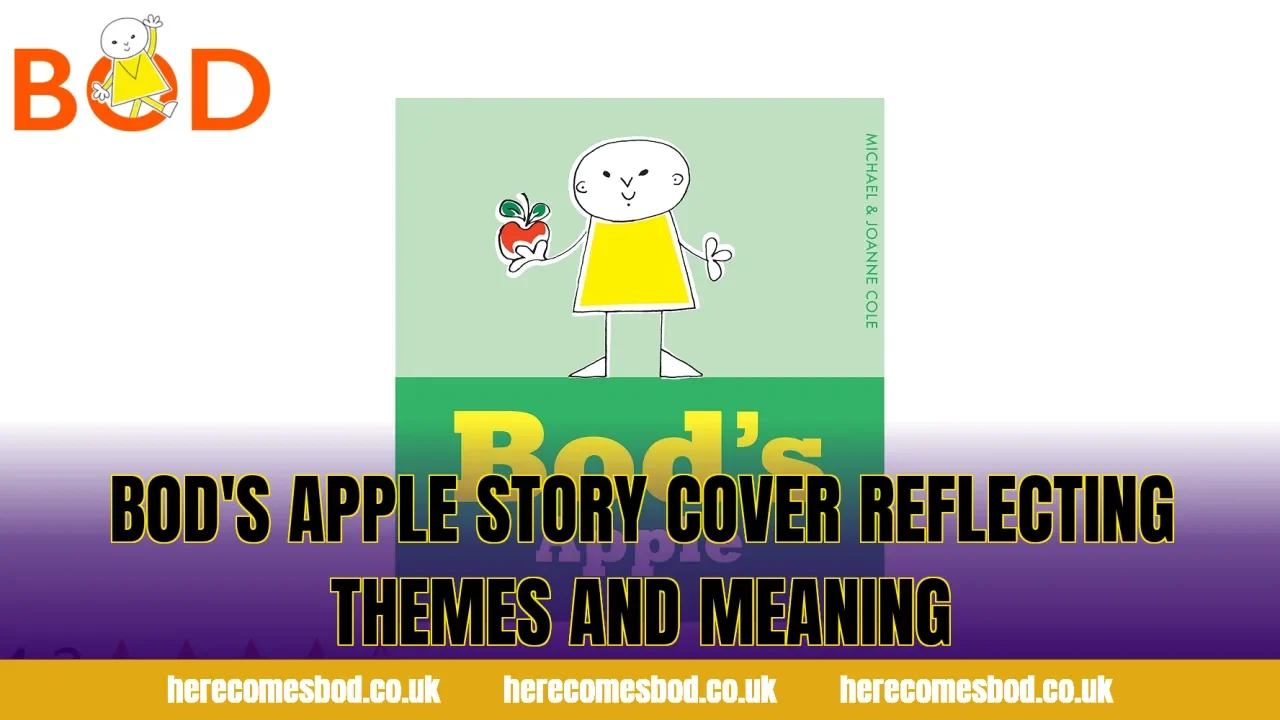
The animation style of the Bod series is famously minimalist, and this simplicity works beautifully in service of Bod’s Apple. Flat colors, clean lines, and unhurried pacing create a visual environment that feels safe and contemplative. This aesthetic choice is not a limitation but a strength, allowing the emotional content of the story to breathe and resonate without visual distraction. Children watching the episode are naturally drawn to focus on the characters and their choices rather than flashy movement or noise.
The role of supporting characters in the tale
No story about Bod’s Apple would be complete without acknowledging the supporting cast that surrounds Bod throughout his journey. Characters like Aunt Flo, PC Copper, and Frank the Postman each bring their own personality to the world, and their reactions to Bod’s situation add texture and depth to an otherwise simple plot. Their presence reminds viewers that every decision we make exists within a social context, and that the people around us shape how we understand right and wrong.
Bod’s Apple explored through themes and meaning
Looking beneath the surface of this story reveals a surprisingly rich web of themes that speak to both children and adults. Bod’s Apple is, at its core, a story about the tension between personal desire and communal responsibility. It asks a quiet but powerful question: when something good comes into your life, what is the most meaningful thing you can do with it?
Honesty and transparency as core values
One of the most consistent threads running through Bod’s Apple is the value placed on honesty. Bod never attempts to deceive anyone, and the story treats this transparency as something natural and admirable rather than exceptional. This gentle modeling of honest behavior is one reason the episode has endured as a teaching tool for parents and educators alike. Children absorb the message not through instruction but through observation, watching a character they admire behave with quiet integrity.
Sharing as a form of emotional intelligence
The act of sharing in Bod’s Apple is never framed as a sacrifice or a loss, but rather as a source of genuine joy. This is a subtle but important distinction that separates the story from more didactic approaches to moral education. When Bod chooses to share, the narrative rewards him not with praise or recognition, but with the internal satisfaction of connection and kindness. That emotional nuance is what makes the story feel true rather than instructional, and it is why children remember it long into adulthood.
Simplicity as a philosophical stance
The entire world of Bod, and Bod’s Apple in particular, operates on a philosophy of radical simplicity. Nothing is overcomplicated, nothing is dramatized beyond its natural weight, and nothing is resolved with anything other than quiet human decency. This is not naivety but wisdom, a deliberate choice by the creators to present the world as a place where goodness is not only possible but ordinary. That vision of the world is something many adults, looking back, find unexpectedly moving.
Key story elements that define the episode
Understanding what makes Bod’s Apple work requires a closer look at its structural and narrative components. The episode is built around a few carefully chosen moments, each of which carries more weight than its brevity might suggest. Below is a breakdown of the key story elements that give the episode its distinctive character.

| Story element | Description | Thematic significance |
|---|---|---|
| The discovery of the apple | Bod finds an apple and must decide what to do with it | Introduces the central moral question of ownership and sharing |
| The reactions of others | Supporting characters respond to Bod’s situation in different ways | Highlights the social dimension of personal decisions |
| Bod’s final choice | Bod chooses to share the apple rather than keep it | Reinforces the reward of generosity over self-interest |
| The visual resolution | The episode ends with warmth and visual calm | Signals emotional closure and moral satisfaction |
| The narrator’s tone | John Le Mesurier’s narration is gentle and unhurried | Creates a sense of safety and trust throughout the story |
The importance of pacing in children’s storytelling
Bod’s Apple moves at a pace that respects a child’s ability to sit with a moment and feel it fully. Unlike modern animated content that rushes from one stimulus to the next, this episode allows silence to do meaningful work. Pauses between scenes give young viewers time to process what they have just seen, and this breathing room is part of what makes the emotional lessons stick. Slow storytelling is not lazy storytelling; in this case, it is a deliberate and sophisticated craft choice.
Narration as emotional anchor
The narration by John Le Mesurier is an inseparable part of what makes Bod’s Apple feel so trustworthy and warm. His voice carries a quality of gentle authority that neither condescends to children nor talks over their heads, striking a rare balance that few narrators ever achieve. The words themselves are simple, but the delivery adds layers of meaning that the animation alone could not convey. Together, voice and image create a unified emotional experience that has proven remarkably durable across decades.
Music and atmosphere in the episode
The musical score accompanying Bod’s Apple deserves recognition as a key component of its emotional atmosphere. Light, unobtrusive, and perfectly timed, the music never competes with the story but instead amplifies its quieter emotional beats. This kind of restrained scoring is rare in children’s media, and it reflects a broader philosophy of the Bod series: that less is almost always more. The result is an auditory experience that feels as clean and considered as the visuals themselves.
Kết luận
Bod’s Apple remains a genuinely beautiful piece of children’s storytelling that rewards revisiting at any age. Its lessons about honesty, sharing, and the quiet dignity of small choices feel as relevant today as they did when the series first aired. If you want to explore more of this wonderful world, visit Bod and rediscover the magic that has made these stories timeless.
Xem thêm: Bod’s Present – The Perfect Nostalgic Story Review