
Bod’s Dream is one of the most quietly enchanting episodes in the beloved British animated series, capturing the imagination of children and adults alike. This particular story stands apart from others in the Bod universe because it ventures into the surreal, exploring what happens when a young child drifts into a world shaped entirely by sleep and wonder. The episode blends gentle storytelling with vivid visual imagery, making it a fascinating subject for deeper analysis. Whether you are revisiting it as a nostalgic adult or discovering it for the first time, understanding its narrative layers reveals just how thoughtfully it was crafted.
Bod’s Dream and its magical storytelling roots
The creative foundation of Bod’s Dream draws from a long tradition of children’s literature that uses sleep as a gateway to imagination. The episode does not simply show a child napping — it constructs an entire dreamscape that feels both familiar and otherworldly at the same time. This careful balance between comfort and strangeness is what makes the story so enduring across generations.

The origin of the dream narrative in Bod
Bod’s Dream was adapted from the original book series created by Joanna and Michael Cole, who wrote under the pen name “Bodkins.” The animated version, produced by the BBC in the 1970s, brought a distinct visual softness to the story that perfectly matched its dreamy subject matter. Each frame was designed to feel like a watercolour painting slowly coming to life, reinforcing the idea that the world Bod inhabits during sleep is genuinely different from his waking one.
How the animation style reflects the dream world
The visual language used throughout Bod’s Dream is deliberately muted and fluid, with soft edges replacing the clean lines seen in other episodes. This artistic choice was intentional — the animators wanted viewers to feel the shift between consciousness and dreaming without needing any dialogue to explain it. Colours bleed gently into one another, characters move with a slightly slower rhythm, and the overall atmosphere carries a hushed, floating quality that is instantly recognisable.
Storytelling techniques that define the episode
One of the most effective techniques used in Bod’s Dream is the absence of conventional plot tension. There is no conflict to resolve, no problem to fix, and no lesson delivered through struggle — instead, the story trusts the viewer to find meaning in stillness and imagery. This approach was quite radical for children’s television at the time, and it reflects a deep respect for the emotional intelligence of young audiences who often understand more than adults assume.
Bod’s Dream: Themes and symbolic meaning explored
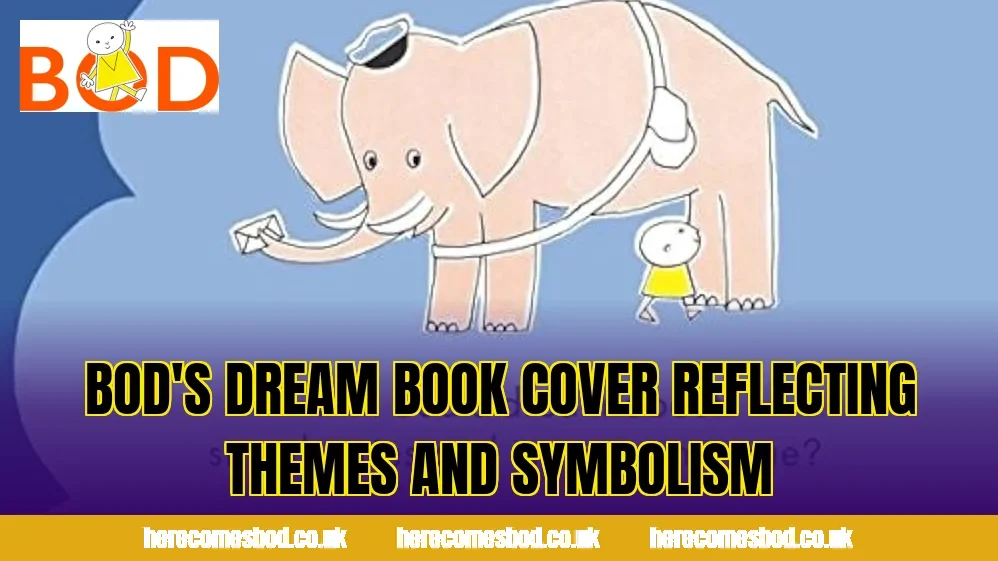
Beyond its gentle surface, Bod’s Dream carries a rich layer of symbolic content that rewards closer reading. The dream world Bod enters is not random or chaotic — it follows a quiet internal logic that mirrors childhood psychology and the way young minds process daily experience. Examining these themes helps explain why the episode continues to resonate so strongly with viewers decades after its original broadcast.
Childhood innocence as a central theme
At its heart, Bod’s Dream is a celebration of childhood innocence and the freedom that comes with an unguarded imagination. Bod moves through his dream without fear, curiosity leading him from one moment to the next with complete openness. This portrayal of a child who is fully at ease within his own inner world speaks to something universal about early childhood — a time before anxiety, self-consciousness, or the weight of adult expectation takes hold.
Symbolism of familiar characters in unfamiliar settings
A recurring element in Bod’s Dream is the appearance of familiar characters — Aunt Flo, PC Copper, and others — placed within contexts that feel slightly shifted from reality. These figures appear warmer, softer, and somehow more idealized than their waking counterparts, suggesting that the dream world filters experience through a lens of emotional safety. The people Bod loves most appear in his dream not as they truly are, but as he feels them to be, which is a subtle and emotionally intelligent narrative choice.
The role of silence and sound in building atmosphere
Sound design plays a surprisingly important role in shaping the emotional texture of Bod’s Dream, with music and ambient tone doing much of the storytelling work. The score composed for this episode is lighter and more ethereal than the music used elsewhere in the series, using high, delicate notes that suggest floating rather than walking. This sonic environment wraps around the visuals to create a complete sensory experience that gently communicates the difference between waking life and the dream state.
Why Bod’s Dream still captivates modern audiences today
Decades after its original release, Bod’s Dream continues to attract new viewers and inspire thoughtful discussion among those who study children’s media. Its appeal is not limited to nostalgia alone — the episode speaks to something timeless about the human experience of dreaming and the particular quality of early childhood imagination. Understanding why it endures requires looking at both its cultural context and its emotional honesty.

| Element | Description | Impact on viewer |
|---|---|---|
| Visual style | Soft watercolour-inspired animation with fluid movement | Creates an immediate sense of calm and wonder |
| Narrative structure | Non-linear, tension-free storytelling | Encourages imaginative engagement rather than passive watching |
| Character presence | Familiar faces in idealized dream versions | Reinforces emotional safety and trust in the story world |
| Sound design | Ethereal, light musical score with minimal dialogue | Deepens the atmospheric contrast between dream and reality |
| Thematic depth | Childhood innocence, imagination, emotional processing | Resonates across age groups and viewing contexts |
Its legacy in British children’s television history
Bod’s Dream holds a distinctive place within the broader history of British children’s animation, representing a moment when the BBC trusted creators to make something genuinely artistic for young viewers. The episode is frequently cited by animators and writers as an early example of what is now called “slow television” for children — content that prioritises atmosphere and emotional resonance over plot-driven entertainment. Its influence can be traced in later British productions that similarly choose stillness over stimulation.
How parents and children experience it differently
One of the more fascinating aspects of Bod’s Dream is the way it operates on two distinct emotional frequencies simultaneously. Children experience it as a gentle, comforting adventure through a world that feels safe and magical, while adults watching alongside them often find themselves reflecting on the nature of memory, loss, and the fleeting quality of childhood itself. This dual register is rare in children’s media and speaks to the sophistication of the original creative vision behind the entire Bod series.
Digital rediscovery and its growing online audience
With the rise of streaming platforms and YouTube archiving, Bod’s Dream has found an entirely new generation of viewers who encounter it without any nostalgic frame of reference. These younger audiences respond to the episode on its own terms, often sharing it across social media as an example of animation that feels genuinely different from contemporary children’s content. The contrast between its quiet pace and the high-stimulation media children consume today makes Bod’s Dream feel almost radical in its gentleness, which paradoxically increases its appeal.
Kết luận
Bod’s Dream remains a remarkable achievement in children’s storytelling — a work that trusts its audience, honours imagination, and finds genuine depth in simplicity. Its blend of soft visuals, symbolic narrative, and emotionally intelligent themes ensures it continues to matter long after its original broadcast. Explore more of this magical world through the official Bod website and rediscover the quiet brilliance of this timeless series.