
Bod and the Kite is a gentle, wind‑whirring adventure that captures the charm of classic British children’s television, and it is lovingly celebrated on Bod . In this story, young viewers follow Bod as he learns about weather, friendship, and problem‑solving in a way that feels calm yet exciting. The episode’s simple structure makes it ideal for shared family viewing or classroom discussion. Parents and educators still return to it for its warmth and clear, reassuring values.
Why Bod and the Kite still delights modern families
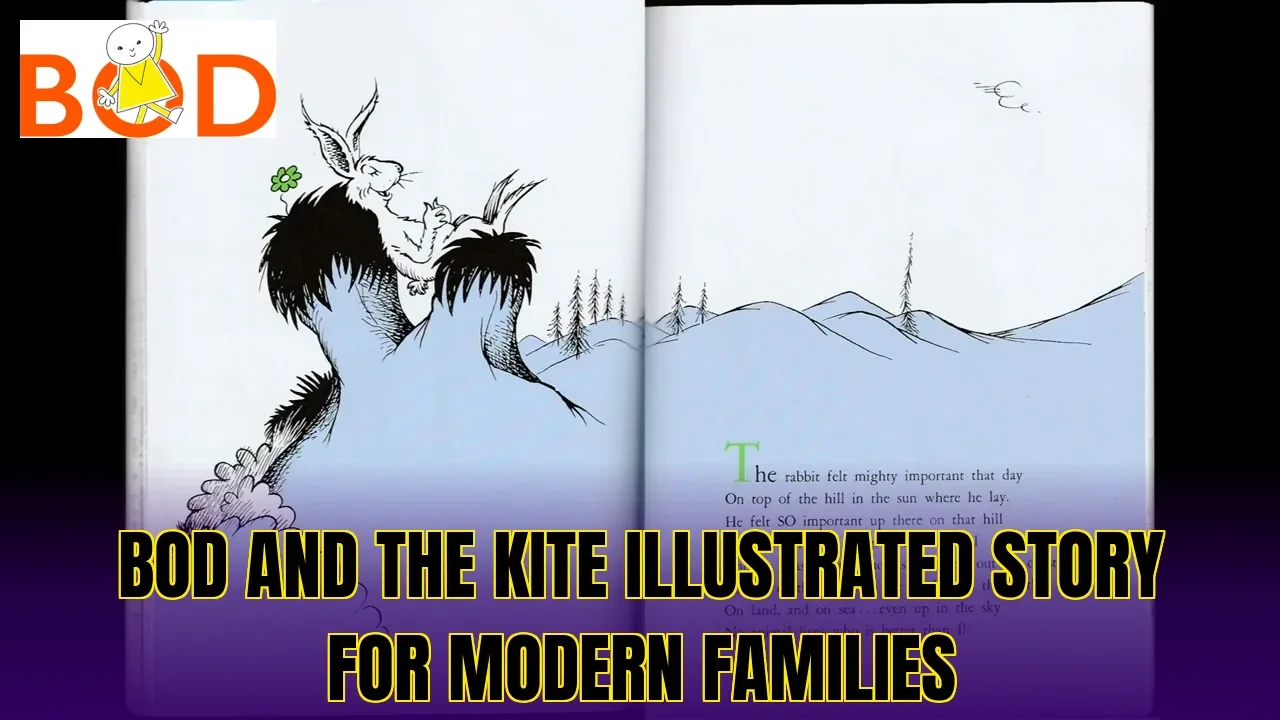
In an age of fast‑paced animation, Bod and the Kite stands out for its slow, thoughtful rhythm and distinctive minimalist style. Children have time to absorb each moment, from the first gust of wind to the final safe landing of the kite. This measured pace encourages conversation, prediction, and reflection, which is why many families revisit the episode year after year.
The gentle plot that keeps children engaged
The storyline in Bod and the Kite is easy to follow but rich in emotional beats. Bod wants to fly a kite, faces a series of small setbacks, and gradually learns to work with the wind instead of against it. Each step offers a relatable feeling: excitement, frustration, curiosity, and finally satisfaction. Young viewers recognise their own experiences in these moments, which helps them stay emotionally connected from start to finish.
Key themes: resilience, patience, and observation
This episode quietly teaches children to watch the world around them and respond thoughtfully. Bod learns that the kite will only rise when the wind is right, so he must wait, test, and try again. Parents can use scenes from Bod and the Kite to talk about resilience, taking turns, and staying calm when things do not work the first time. These themes align well with early years learning frameworks used in many English‑speaking countries.
Visual and musical style that supports learning
The simple lines, bold colours, and clear shapes help young children focus on what matters in each scene. The gentle soundtrack supports the action without overwhelming it, leaving space for questions and comments. On Bod , curators often highlight how this uncluttered design makes the story more accessible for preschoolers. Educators appreciate that the visuals guide attention to Bod’s actions and expressions, which aids emotional literacy.
Using Bod and the Kite in early years learning
Because it is short, calm, and structured, Bod and the Kite fits naturally into nursery and reception lesson plans. Teachers can build activities around weather, movement, and creative expression. At the same time, parents can adapt similar ideas at home with simple materials, from paper kites to wind socks. This makes the episode a practical tool, not just nostalgic entertainment.
Conversation starters for parents and teachers
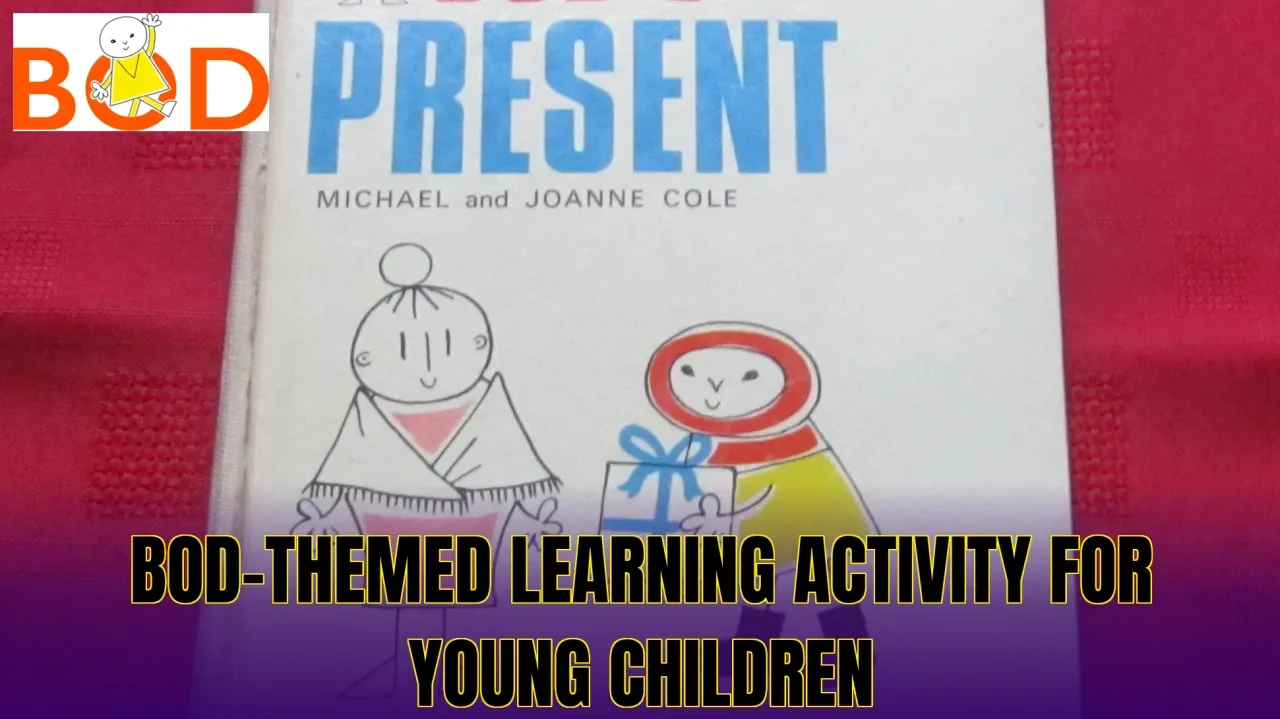
After watching Bod and the Kite, adults can ask children what Bod might be feeling at different moments. Questions about the wind, the sky, and the kite’s movements encourage observation and language development. Simple prompts such as “What would you do if your kite got stuck?” invite problem‑solving. These conversations deepen comprehension and turn passive viewing into an interactive learning experience.
Creative play and craft ideas inspired by the episode
Many families on Bod share ideas for kite‑themed crafts that extend the story into hands‑on play. Children can decorate paper kites with shapes and colours that match the episode, then test them outdoors on a breezy day. Indoors, they can act out scenes using ribbons or scarves to represent the wind. This type of imaginative play strengthens fine motor skills and supports narrative thinking.
Curriculum links and developmental benefits
Early years practitioners can map scenes from Bod and the Kite to specific learning goals. The episode supports communication and language, understanding the world, and personal, social, and emotional development. Simple counting tasks, such as tracking how many times the kite lifts off, can reinforce early numeracy. Because the story is calm and predictable, it is also suitable for children who benefit from low‑stimulus media.
| Learning focus | How the episode supports it | Suggested follow‑up activity |
|---|---|---|
| Emotional literacy | Shows Bod coping with setbacks and success | Ask children to draw Bod’s face at key moments |
| Science and weather | Introduces wind as an invisible natural force | Use ribbons outside to “see” which way wind blows |
| Physical development | Kite‑flying actions encourage movement and balance | Play running and stopping games that mimic flying |
| Language skills | Clear, simple narration and repeated phrases | Retell the story in children’s own words |
Exploring the wider Bod world beyond Bod and the Kite
While Bod and the Kite is a fan favourite, it is only one part of a broader, carefully crafted universe. Each episode introduces everyday situations that children recognise, from visiting friends to exploring the countryside. On Bod , fans can discover how these stories connect through recurring characters and locations. This continuity helps children feel secure as they move from one adventure to the next.
Main characters that support Bod’s journey
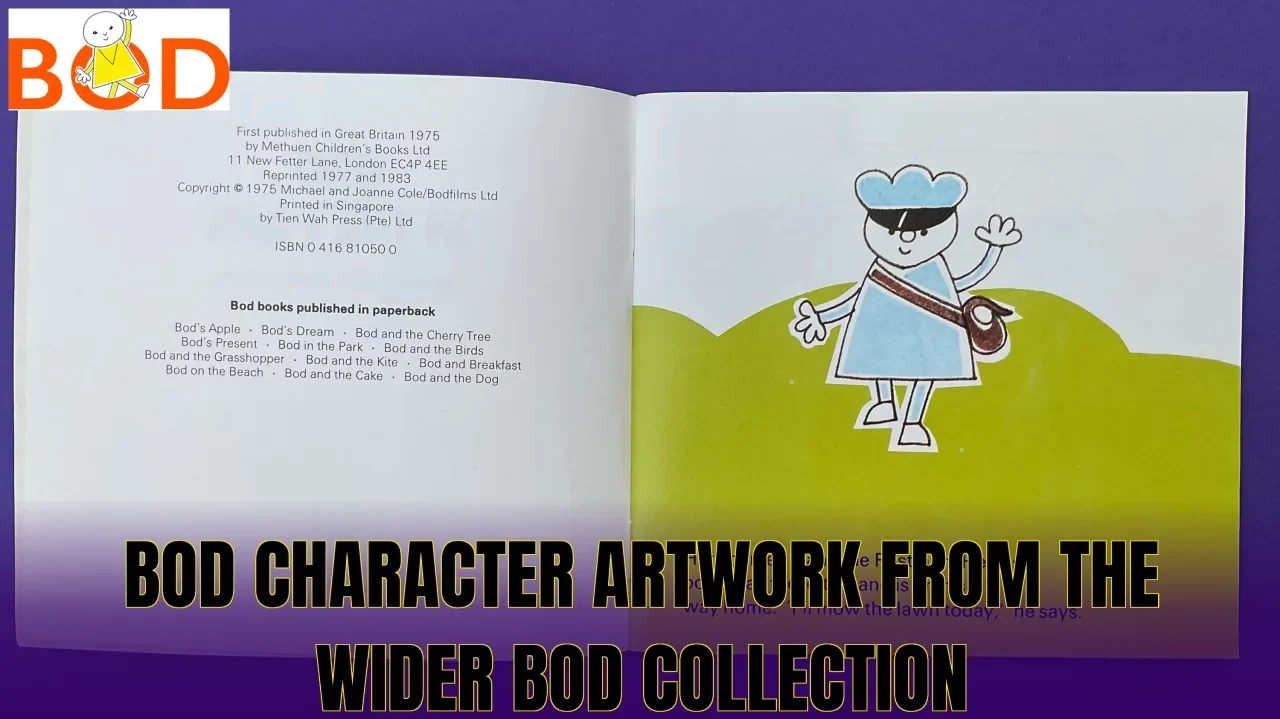
The friends who appear around Bod provide different viewpoints and personalities. Their reactions to the kite and the changing wind offer natural opportunities to discuss diversity in feelings and ideas. When adults rewatch Bod and the Kite with children, they can point out how each character helps or encourages Bod. This supports social learning and highlights the value of cooperation.
From television to books and live events
The appeal of Bod extends beyond the original television series into books, audio stories, and curated events. Families visiting Bod can access background information, artwork, and news about reissues. By combining screen time with reading and offline play, parents create a richer learning environment. The kite story becomes a starting point for a wider exploration of classic children’s media.
Why the series remains relevant in 2026
Modern research into children’s media consumption supports the value of slower, story‑driven content. Episodes like Bod and the Kite avoid overstimulation while still offering clear narrative rewards. The focus on kindness, curiosity, and gentle humour aligns with current guidance on early childhood wellbeing. As streaming platforms expand, curated spaces such as Bod help families find trustworthy, age‑appropriate classics.
Conclusion
For families seeking thoughtful, screen‑based stories, Bod and the Kite offers a rare blend of simplicity and depth. Its focus on wind, weather, and quiet perseverance turns a small adventure into a memorable lesson. As more parents rediscover classic children’s storytelling, Bod remains a reliable home for Bod’s gentle world and its enduring kite‑filled skies.
Bod children’s books keep classic stories alive