About Bod – The Complete Story Behind the Character
About Bod is a story that has quietly shaped the childhoods of generations, yet many people still wonder where this gentle character truly came from. Created with warmth and simplicity, Bod stands as one of the most enduring figures in British animation history. This article explores the origins, personality, and lasting cultural impact of Bod — covering everything from the creator’s vision to the beloved TV adaptations that brought this round-headed child to life on screen.
About Bod: origins and creative vision
Understanding the full story behind Bod begins with recognizing just how intentional and thoughtful the character’s creation actually was. The world Bod inhabits feels minimal on the surface, but every detail carries a quiet purpose that resonates deeply with young audiences.
Who created Bod and when
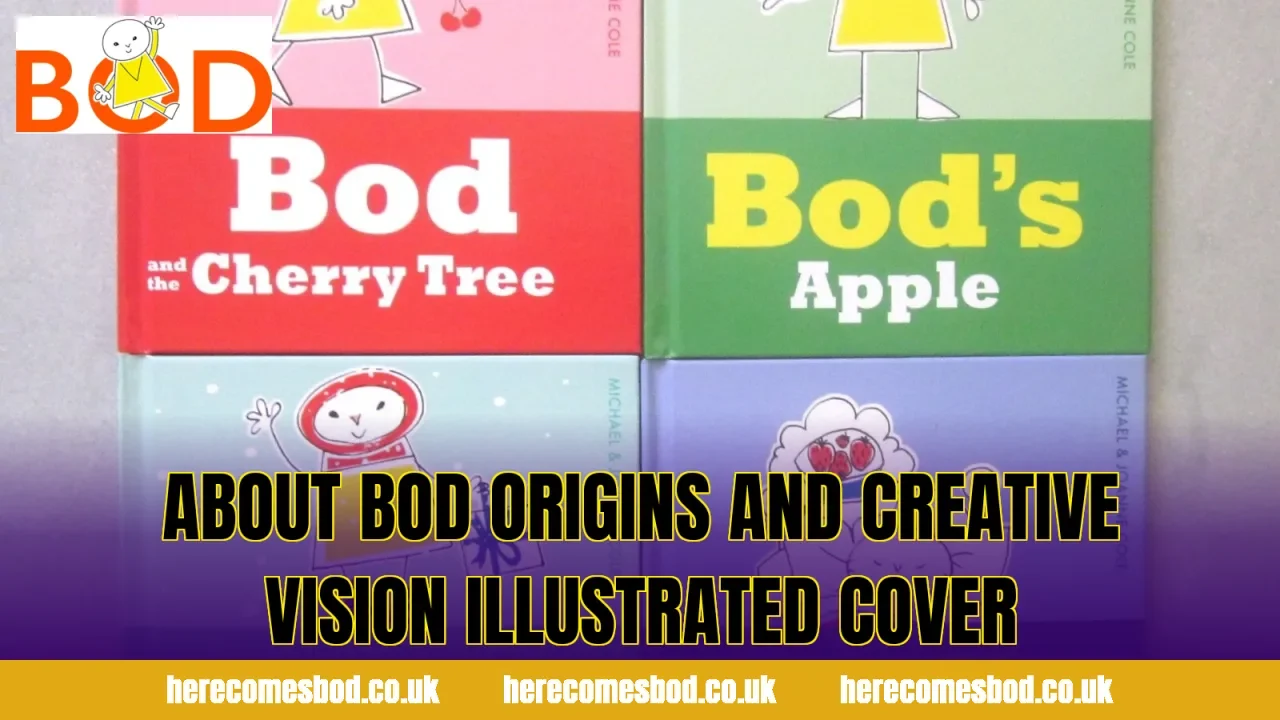
About Bod, the character first appeared in a series of illustrated children’s books written and drawn by Joanna Cole, published in the early 1960s under the pen name “Michael Cole.” The books introduced a small, round-headed child living in a peaceful world populated by a handful of recurring characters. Each story was short, calm, and deliberately free of conflict, making Bod feel like a safe and comforting presence for young readers discovering books for the first time.
The artistic style that defined the series
The illustrations in the original Bod books were strikingly simple — flat shapes, limited color palettes, and no unnecessary visual clutter. This minimalist approach was not a budget decision but a deliberate artistic philosophy that prioritized clarity and emotional warmth over complexity. About Bod, the visual language remains consistent: every character is drawn with clean lines and gentle expressions that communicate mood without drama, creating an aesthetic that feels timeless even decades after its first publication.
The philosophy behind the storytelling
The stories themselves follow a gentle, repetitive structure that young children find deeply reassuring. About Bod, the narrative rhythm is predictable in the best possible way — each episode or book chapter introduces a small situation, explores it calmly, and resolves it without tension or fear. This approach reflects a clear belief that children’s stories do not need conflict to be engaging, and that simplicity, when handled with care, can be more powerful than elaborate plots or dramatic twists.
About Bod on television: the animated legacy
The transition from page to screen brought Bod to an entirely new generation of children, expanding the character’s reach far beyond the original readership of the books. The BBC adaptation became a defining part of British children’s television in the 1970s.
How the BBC brought Bod to life
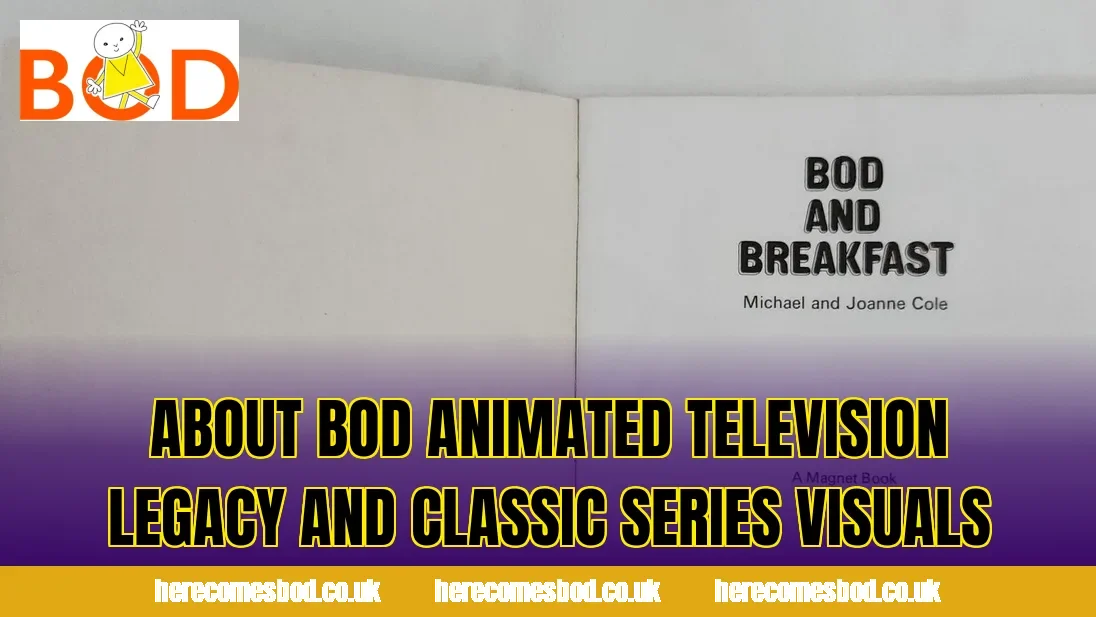
The animated series produced by the BBC first aired in 1975 and was narrated by John Le Mesurier, whose calm and measured voice became inseparable from the character’s identity. About Bod, the animation style faithfully preserved the flat, minimal aesthetic of the original illustrations, using simple movements and gentle music to create an atmosphere of complete tranquility. Each episode ran for only a few minutes, making Bod one of the shortest-format children’s programmes on British television at the time.
The voice and music that shaped the mood
Beyond the visuals, the sound design of the Bod series played a crucial role in establishing its unique emotional tone. The music composed for the show was light, playful, and unhurried — perfectly matching the pace of the stories. About Bod, the combination of Le Mesurier’s narration and the gentle musical score created a sensory experience that felt more like a lullaby than a television programme, which is precisely why so many adults remember watching it with such deep fondness.
Characters who appeared alongside Bod
Bod was never alone in his world — a small group of recurring characters gave the series its social warmth. Aunt Flo, Frank the Postman, PC Copper, and Alberto Frog each had distinct personalities that complemented Bod’s quiet nature. About Bod, these supporting figures were drawn with the same simplicity as the main character, ensuring that no single personality overwhelmed the gentle balance of the ensemble. Their interactions with Bod were always kind, unhurried, and free of the kind of interpersonal drama that dominates so much of children’s media today.
| Character | Role in the series | Notable trait |
|---|---|---|
| Bod | Main character | Curious, calm, round-headed child |
| Aunt Flo | Caring adult figure | Warm, nurturing presence |
| Frank the Postman | Community figure | Friendly, reliable, cheerful |
| PC Copper | Authority figure | Gentle, non-threatening policeman |
| Alberto Frog | Recurring visitor | Enthusiastic, slightly eccentric |
Why Bod still matters to audiences today
Decades after the original broadcast, Bod continues to attract attention from parents, educators, and cultural historians who recognize the series as something genuinely rare in children’s media. The character’s enduring relevance speaks to something universal in its design.

The cultural impact on British childhood
For anyone who grew up in Britain during the 1970s and 1980s, about Bod carries an almost nostalgic weight that is difficult to fully articulate. The series became embedded in the shared cultural memory of an entire generation, representing a time when children’s television prioritized gentleness and imagination over stimulation and spectacle. Researchers studying British media history frequently cite Bod as an example of how minimal production values, when paired with genuine creative intention, can produce content of lasting emotional significance.
What modern parents find in Bod
Today’s parents who introduce their children to about Bod often describe a sense of relief at finding content that does not overstimulate or overwhelm young viewers. In an era of fast-paced animation filled with flashing colors and rapid scene changes, Bod offers something genuinely counter-cultural: slowness, stillness, and space for a child’s imagination to breathe. Many early childhood educators recommend the series precisely because its pacing aligns naturally with how very young children actually process visual information and narrative structure.
Bod’s place in animation history
From a purely technical and artistic standpoint, about Bod represents a fascinating moment in the history of British animation. The series demonstrated that limited animation techniques could be used not as a compromise but as an expressive choice — one that enhanced rather than diminished the emotional impact of the storytelling. Animation scholars studying the evolution of children’s media in the United Kingdom consistently return to Bod as a landmark example of how restraint and intentionality can elevate a simple concept into something with genuine artistic and cultural value.
Kết luận
About Bod is far more than a nostalgic curiosity — it is a carefully crafted work of children’s storytelling that continues to demonstrate the power of simplicity, warmth, and creative restraint. Whether you are discovering Bod for the first time or revisiting the series through fresh eyes, the character’s quiet charm remains as compelling as ever. Explore more about this timeless character at Bod and discover why generations of children and adults continue to return to this gentle, unforgettable world.
Xem thêm: Best Bod Episodes – Top Ranked Stories of All Time